Alla ricerca di Carol Rama
Dans Alla ricerca di Carol Rama (À la recherche de Carol Rama), je joue le rôle de détective suivant les traces de l’artiste italienne Carol Rama née en 1918, décédée en 2015 à Turin, Italie. Autodidacte, non-conventionnelle, le monde de l’art l’a boudée jusqu’à l’âge de 80 ans; « Je suis très en colère parce que l’on me découvre seulement aujourd’hui, à l’âge de 80 ans, après la faim que j’ai endurée, et je trouve ça très injuste, très injuste, je trouve ça très injuste. » (« Sono molto incazzata perche vengo scoperta soltanto oggi dopo la fame chez ho fatto e l’ho trovo molto inguisto, molto ingiusto, l’ho trovo molto ingiusto. »). Que s’est-il passé ? Quelles ont été les conditions de cette mise à l’écart ? Une dynamique structurelle d’exclusion est-elle à l’œuvre ? Comment l’invisibilité s’opère-t-elle, s’entretient-elle ?
In Alla ricerca di Carol Rama (In Search of Carol Rama), I play the role of a detective tracking down the Italian artist Carol Rama, born in 1918 and who died in 2015 in Turin, Italy. Self-taught and unconventional, she was largely ignored by the art world until she turned 80; « I’m so angry because I’m being found out now, at the age of 80, after all the hunger I’ve endured. I find it very unfair, I find it very unfair, I find it very, very unfair. » (« Sono molto incazzata perche vengo scoperta soltanto oggi dopo la fame chez ho fatto e l’ho trovo molto inguisto, molto ingiusto, l’ho trovo molto ingiusto. »). What happened? What were the circumstances behind her marginalization? Is a structural dynamic of exclusion at work? How does invisibility operate, and how is it perpetuated?
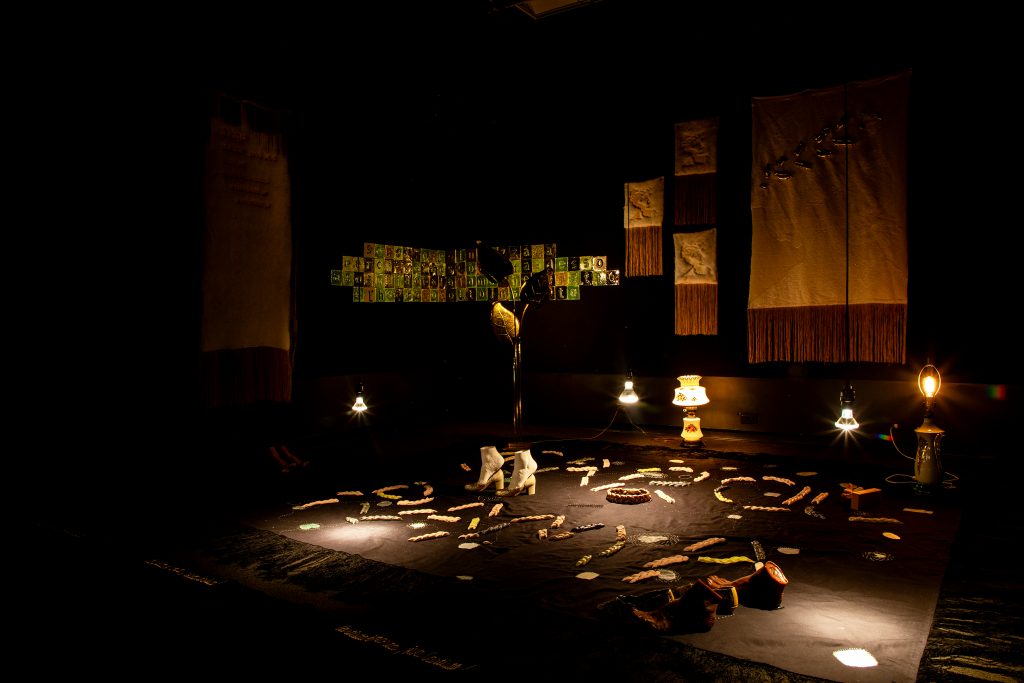
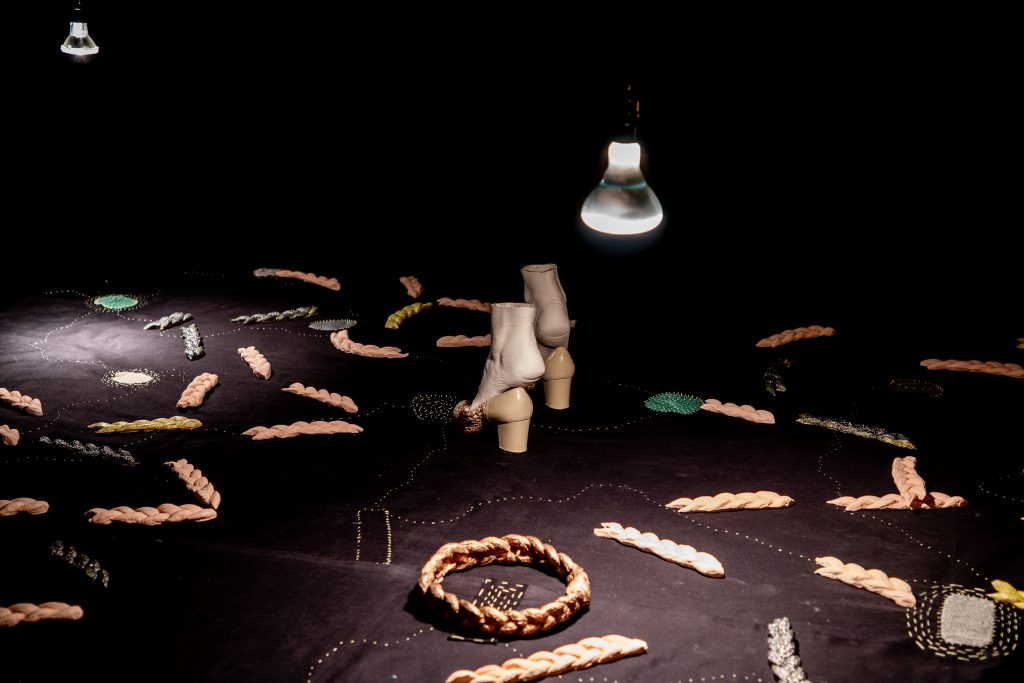
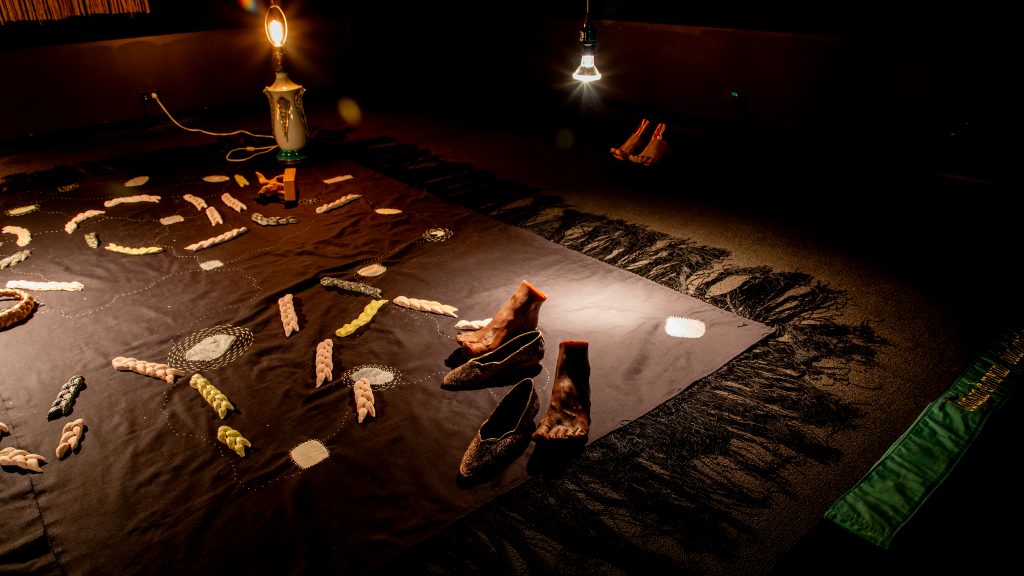
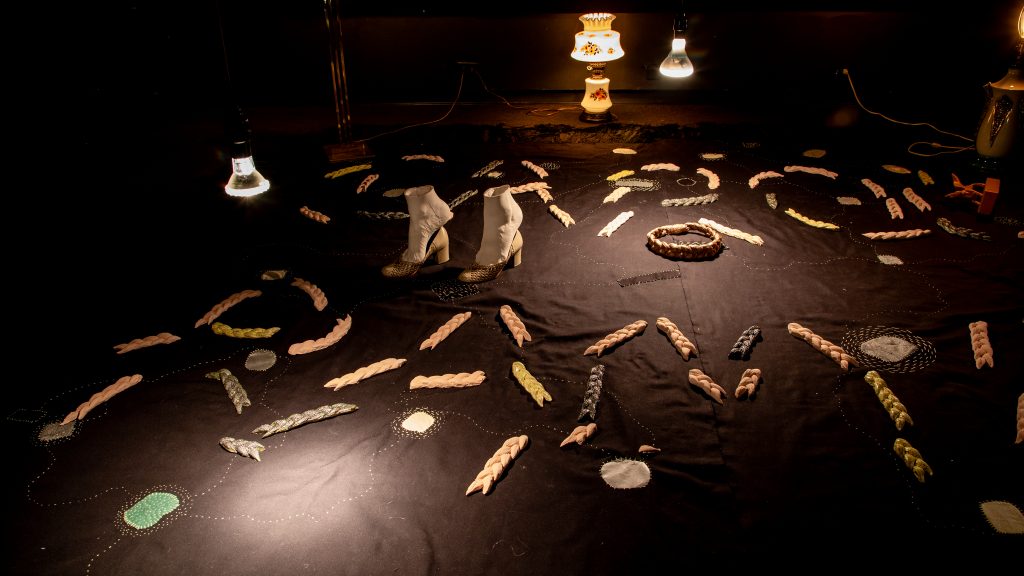
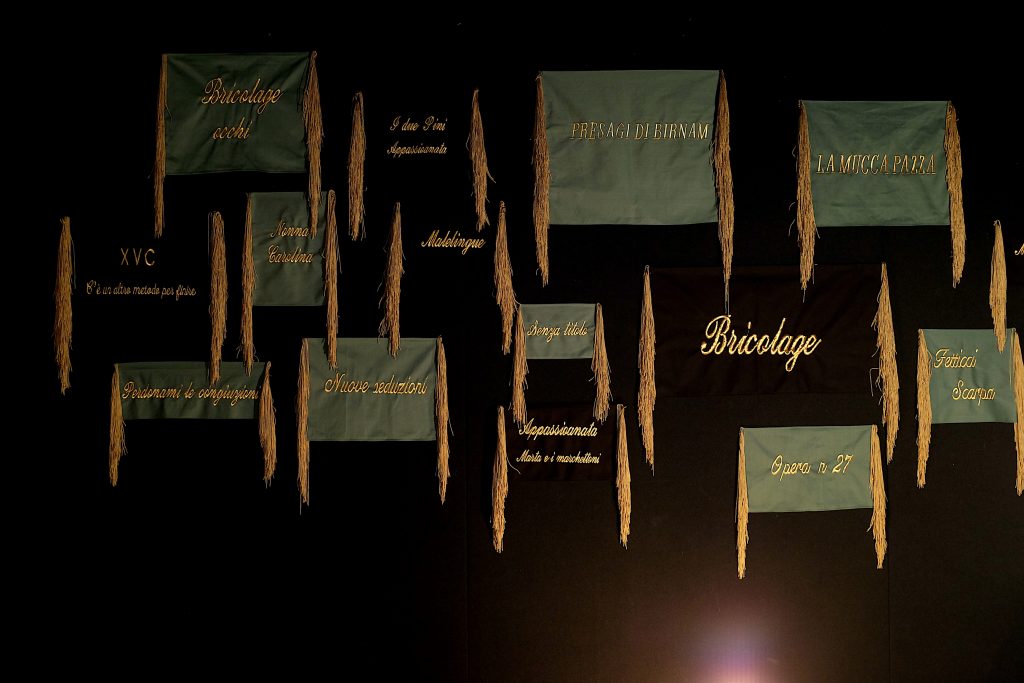
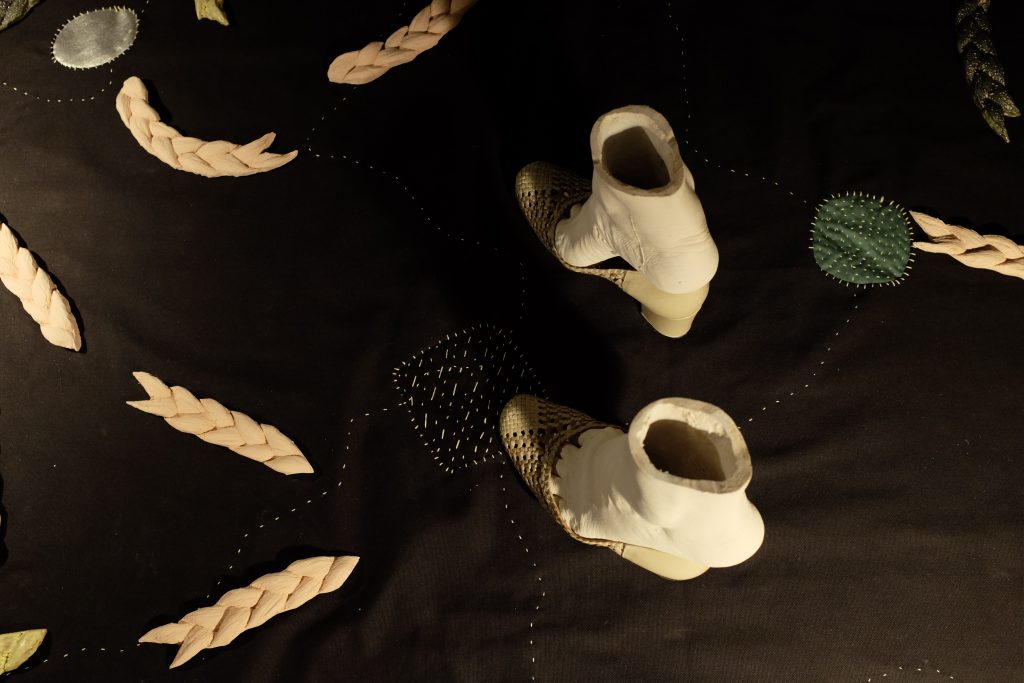
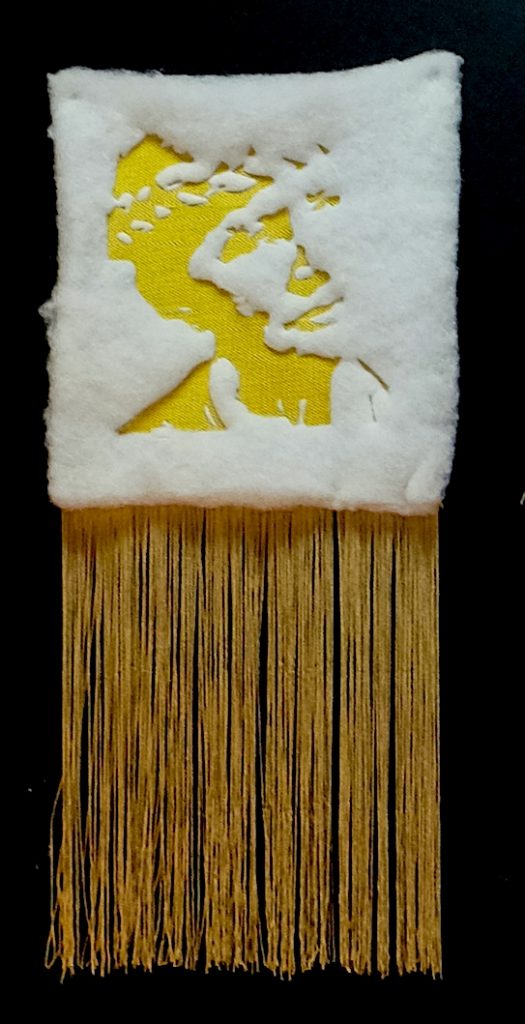
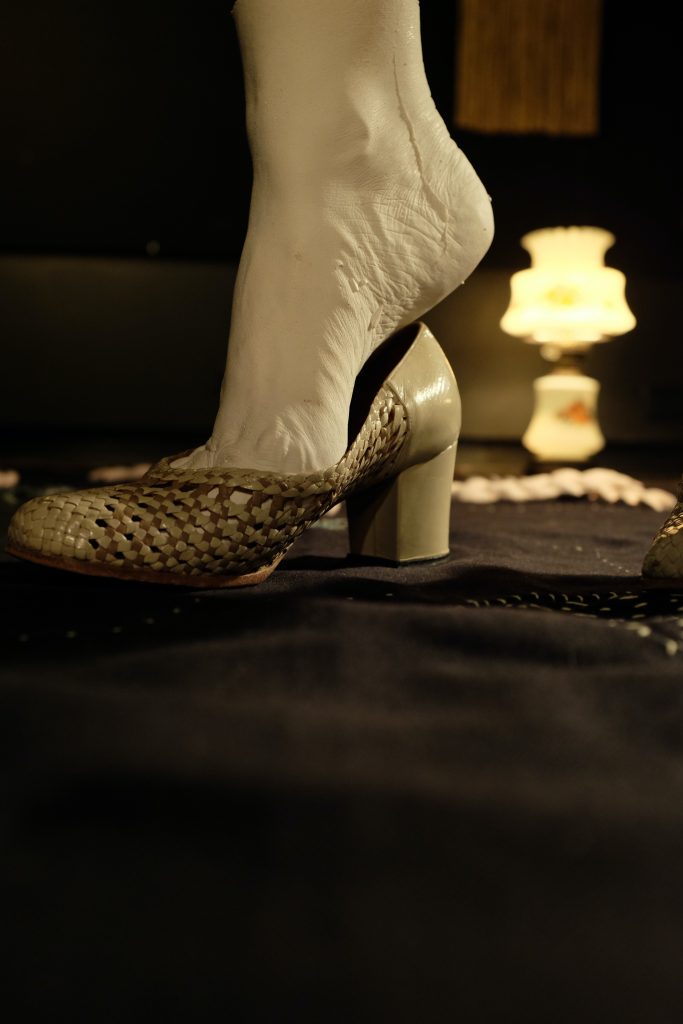
vue d’installation/installation view (Concordia), 2026 Photo/pic Prune Paycha
Nous sommes chez Carol Rama. Personnalité haute en couleur, artiste indomptable dont la première exposition à Turin en 1945 fût censurée par les fascistes. Arborant certaines de ses sculptures, à ses atours originaux, s’ajoute dans les années 80, une tresse frontale portée en couronne. Conçue tel un espace symbolique, l’installation fait référence à sa mansarde-atelier occupée durant 70 ans. À l’entrée, un tapis situe l’objet « artiste en résistance ». Des chuchotements mêlés à sa voix caractérisent ce son incessant des récits à son sujet. Comment cela se fait-il que Carolina (nom de baptême) soit à la fois si présente sur les langues et si absente du paysage artistique turinois ? Sujet récurent, la langue tirée, pendulante, pendante traverse toutes les époques de ses tableaux. Le titre apparaît dans les années 80, semble-t-il, il informe. Combien existent-ils de Malelingue (mauvaises langues) ? Que reste-t-il d’un siècle vécu à dessiner, peindre, assembler, sculpter, donner, chanter, divertir le beau monde et le monde du beau ? Plus de cinquante années passées dans l’ombre, une petite quinzaine dans la pénombre illuminée par le Lion d’or dédié à la carrière reçu à l’âge de 85 ans en 2003 à la Biennale de Venise. Atelier-mansarde, une curiosité, un cabinet, peut-être mais bien plus. Posée au sol, la rubalise brodée peut être franchie ou non (libre arbitre). Sa position a deux fonctions, soit l’on en accepte la limite géographique telle celle appliquée aux scènes de crime soit l’on décide de s’en affranchir et d’explorer le lieu devenue bien culturel ouvert à un public en capacité d’honorer un droit de visite de 40€.
We are at Carol Rama’s home. A colourful character, an indomitable artist, whose first exhibition in Turin was censored by the fascists in 1945. In addition to her original attire, in the 1980s she began wearing a braid across her forehead, styled like a crown. Conceived as a symbolic space, the installation refers to the attic studio she occupied for 70 years. At the entrance, a carpet situates the object ‘artist in resistance’. The voices, the ceaseless sound of stories about her.
How can Carolina be so omnipresent on people’s lips, yet so absent from Turin’s artistic landscape? The recurring theme of the tongue—sticking out, dangling or hanging—has been present throughout every era. The title ‘Malelingue’ (gossipmongers) seems to have emerged in the 1980s. How many Malelingue are there? What remains of a century spent drawing, painting, assembling, sculpting, giving, singing, entertaining high society and the world of beauty? More than fifty years spent in the shadows, and just over fifteen in the twilight illuminated by the Golden Lion for Lifetime Achievement, received at the age of 85 at the 2003 Venice Biennale.
An attic studio, a curiosity, a cabinet, perhaps – but so much more than that. Laid on the ground, the embroidered barrier may or may not be crossed (it is up to you). Its placement serves two purposes: either one accepts the geographical boundary, much like that cordoned off at a crime scene, or one chooses to step beyond it and explore the place —now a cultural asset open to the public, who can afford €40 for a visit.
Malelingue : Réalisé et monté pour 10 enceintes par le compositeur Ivan Pisino/ directed and edited for 10 speakers by composer Ivan Pisino, 2026
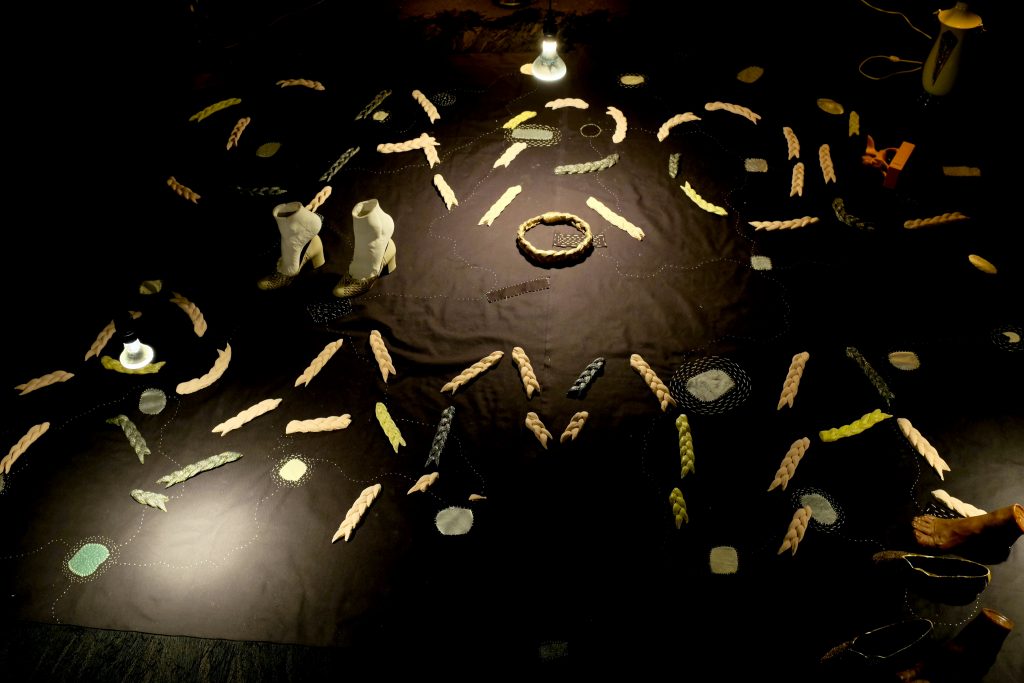
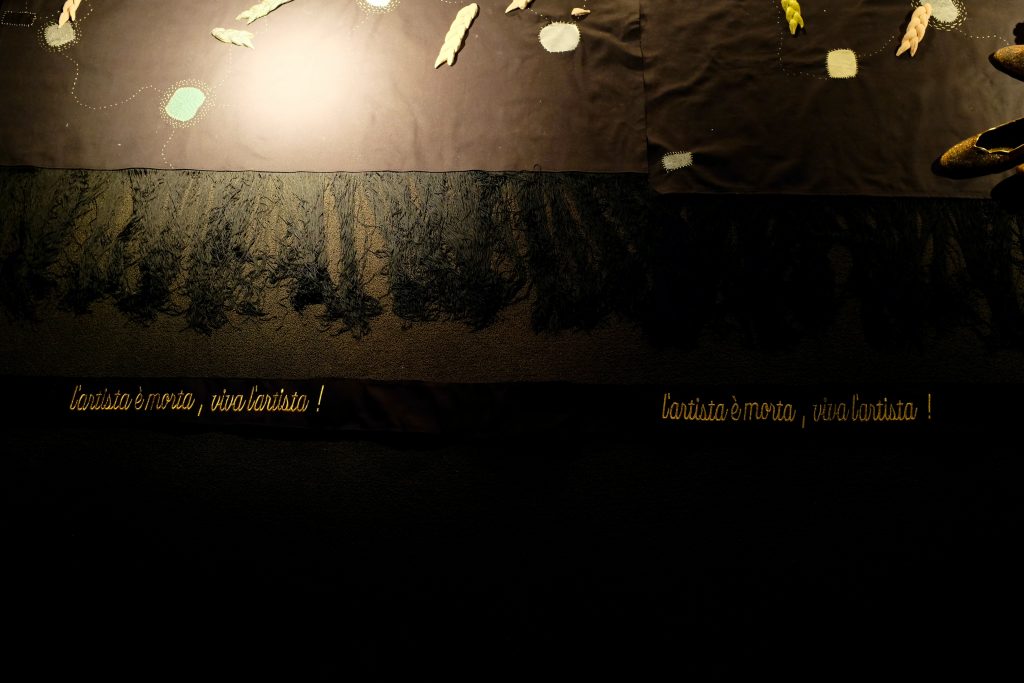
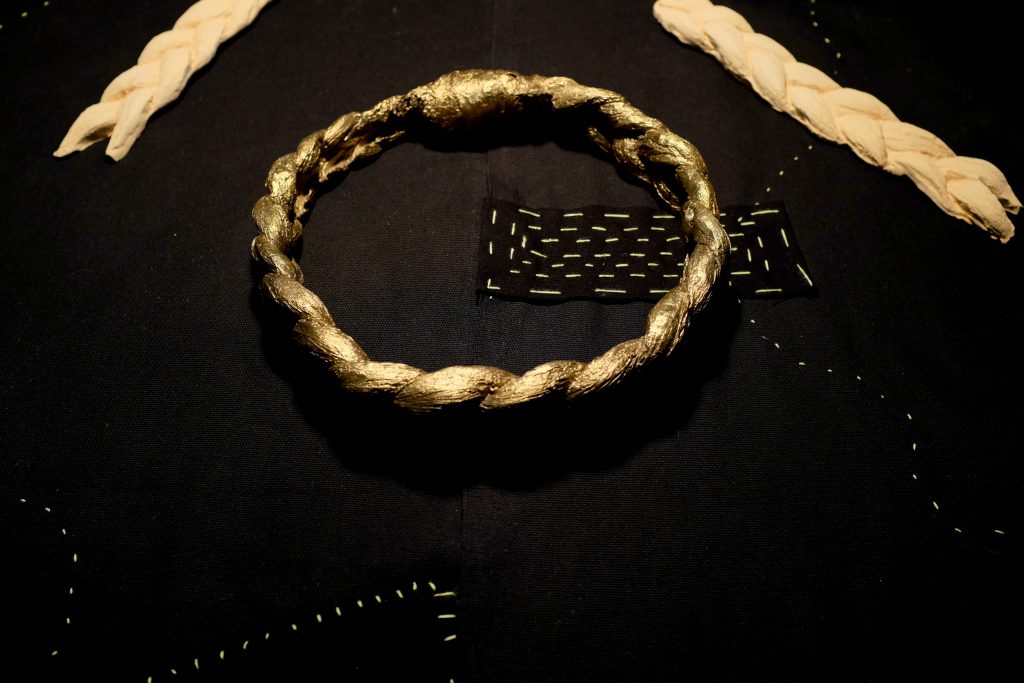
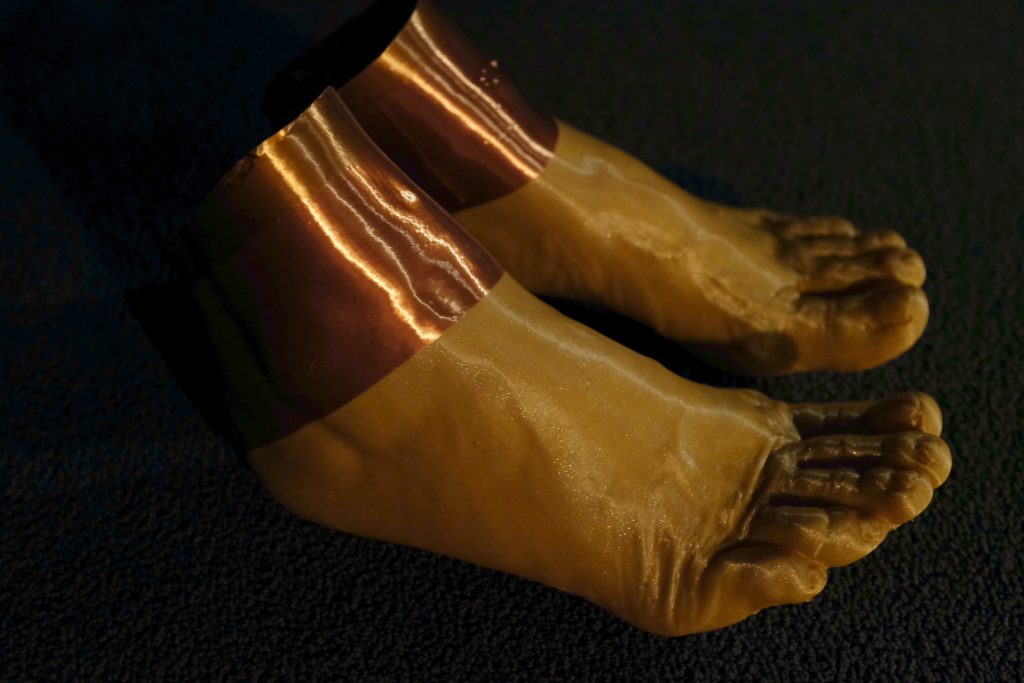
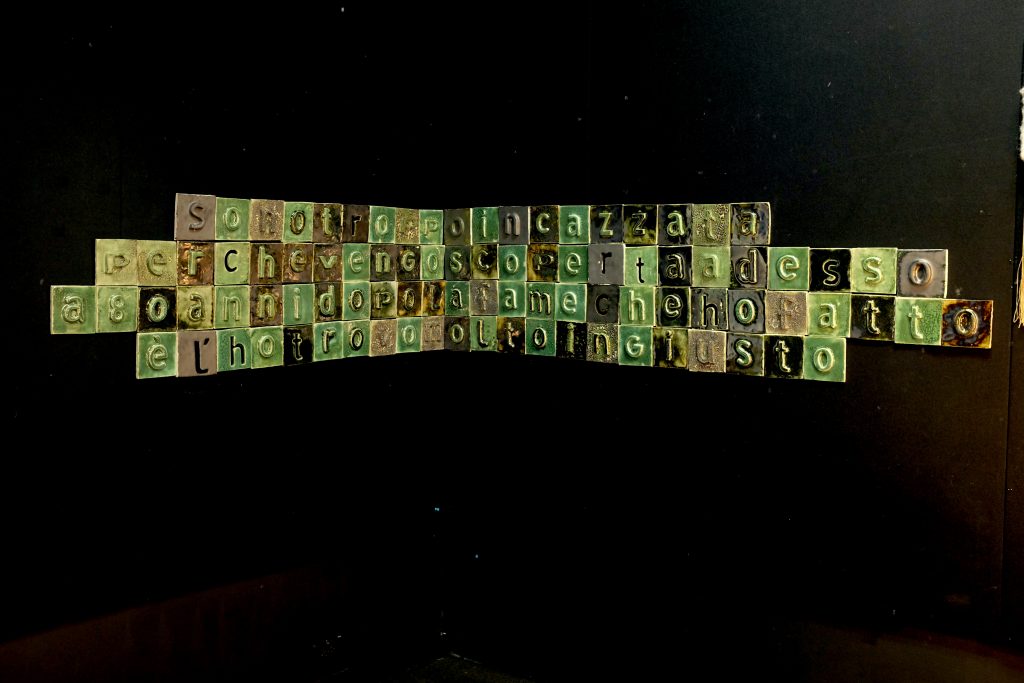
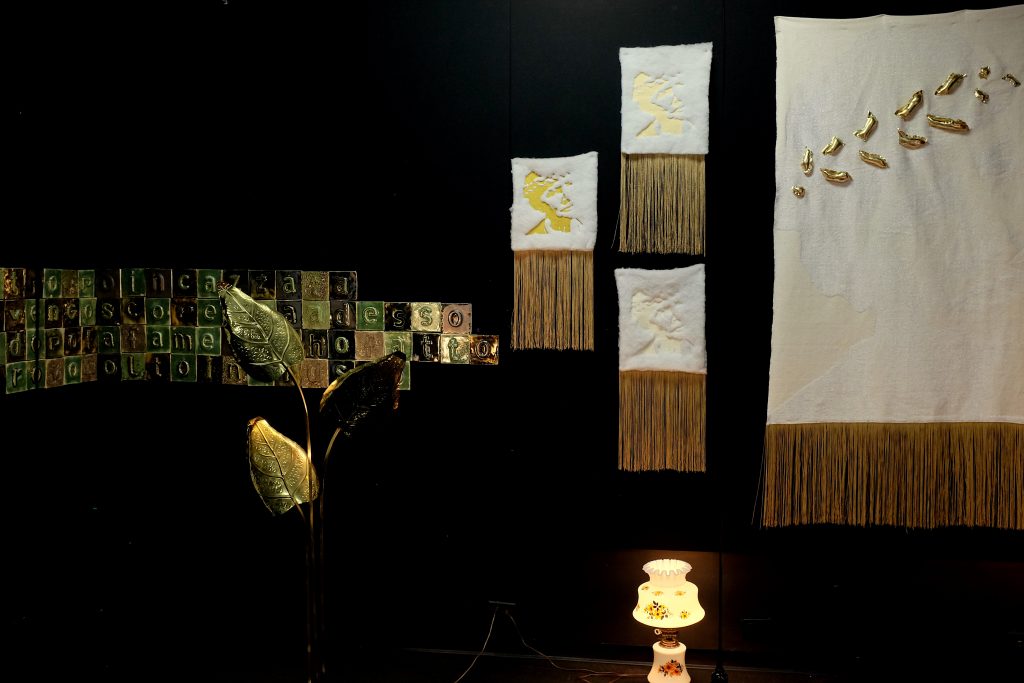
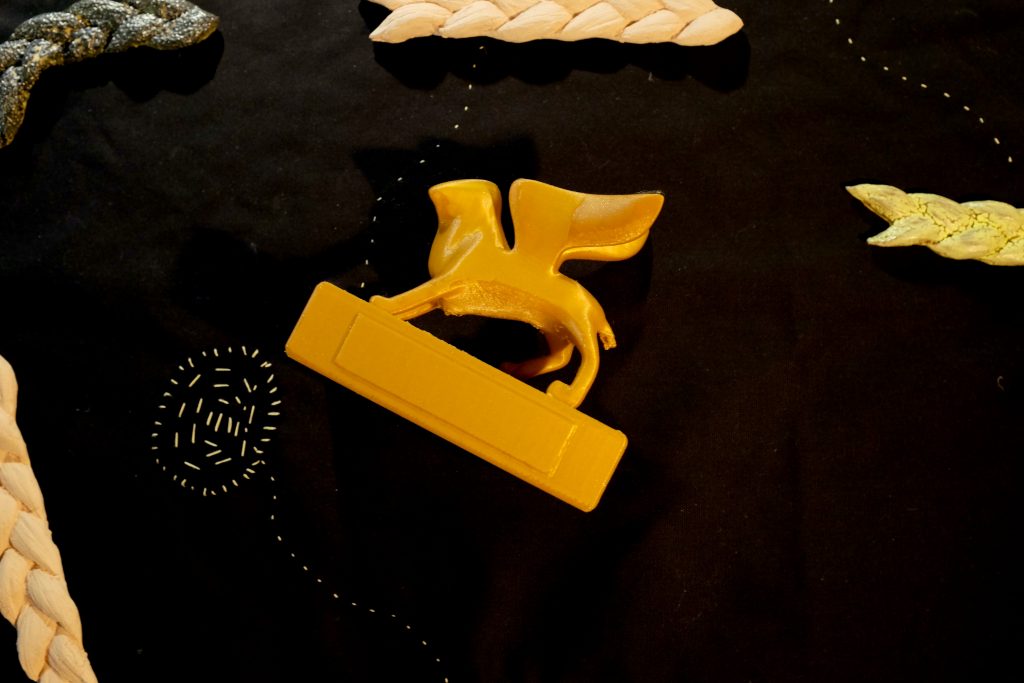
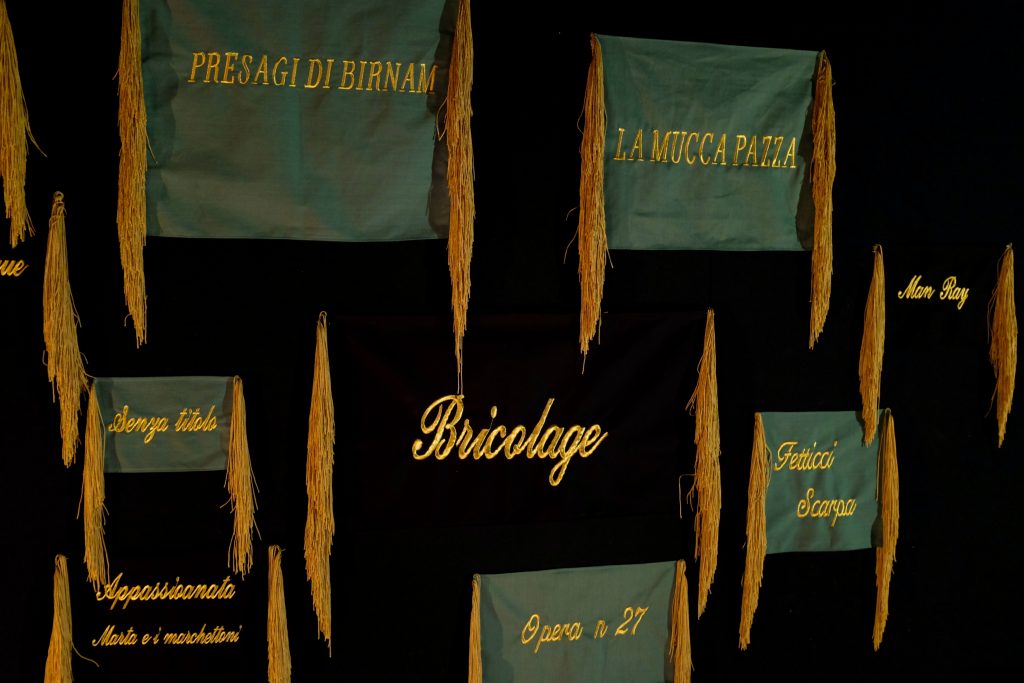
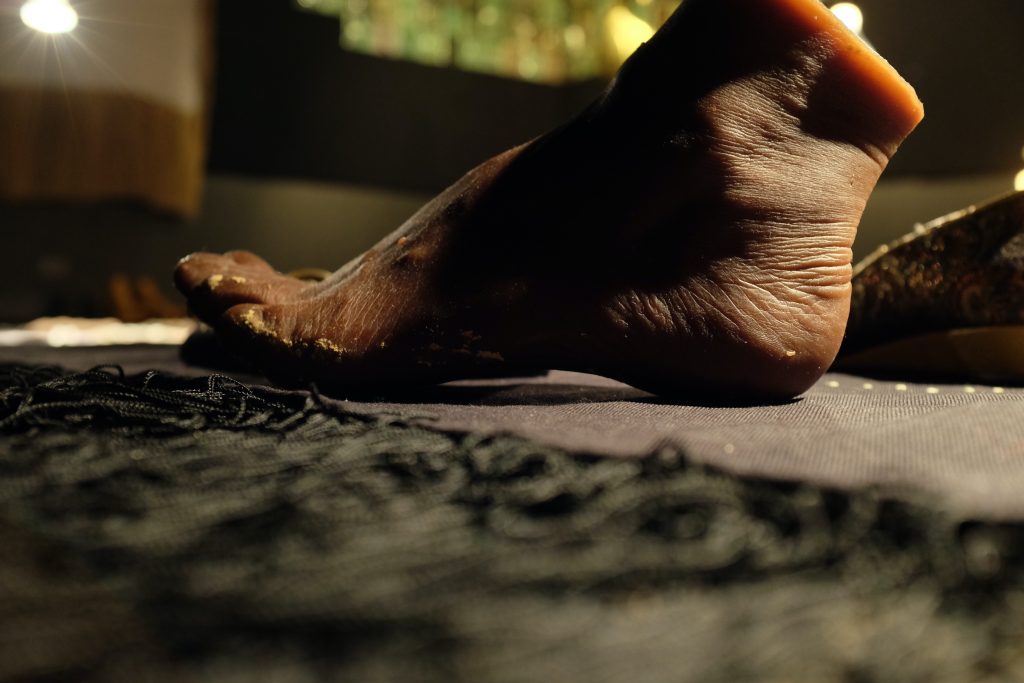
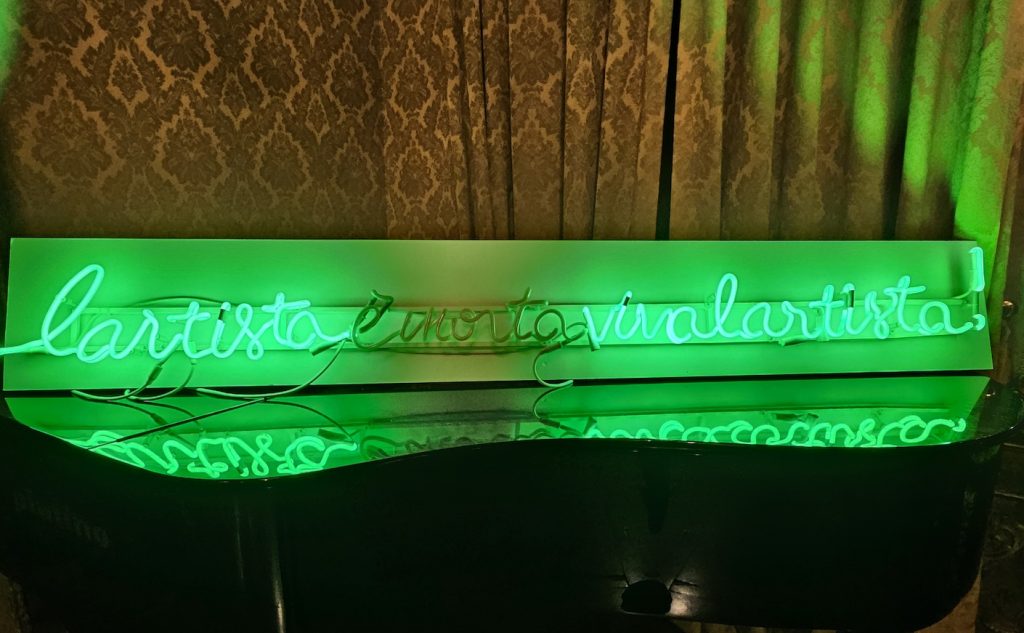
Exposé au Cercle des lecteurs lors de la conférence annuelle de l’association Européenne des Femmes en Management et Développement (EWMD)
Circolo dei Lettori Turin (IT), 2023
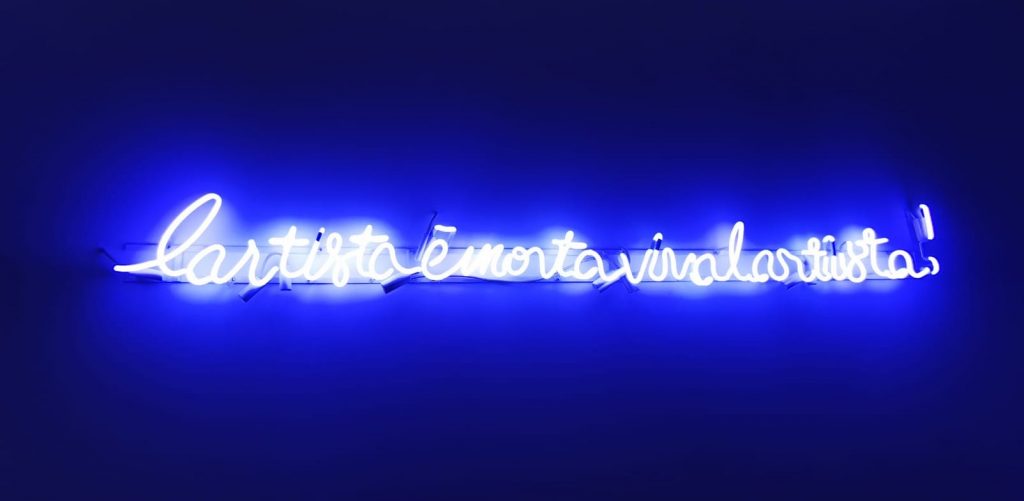
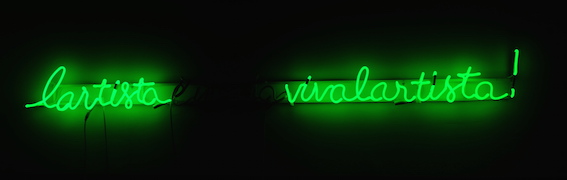
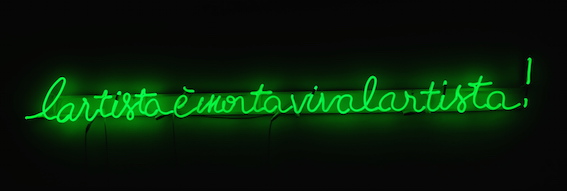
The luminous tube ‘lartistaèmortavivalartista!’ (the artist is dead, long live the artist!) with its blinking message borrows the phrase chanted by the people at the death of monarchs: ‘The king is dead, long live the king! It tells the inescapable story of how the invisible artist, invisible in her lifetime, whose works will adorn museums, galleries and collections after her death, reproduced itself. These walls bear the traces of this collective history – the ignored artist dies and history repeats itself.
Le tube lumineux « lartistaèmortavivalartista! » (lartiste est morte vive lartiste!) au message clignotant emprunte la figure de style scandée par le peuple à la mort des monarques, « Le Roi est mort, vive le Roi ! ». Il raconte l’inéluctable, la reproduction de l’artiste invisible invisibilisée de son vivant dont le travail ornera les salles des musées, galeries, collections après sa mort. Ces murs portent les traces de cette histoire collective – l’artiste ignorée se meurt et l’histoire se répète.
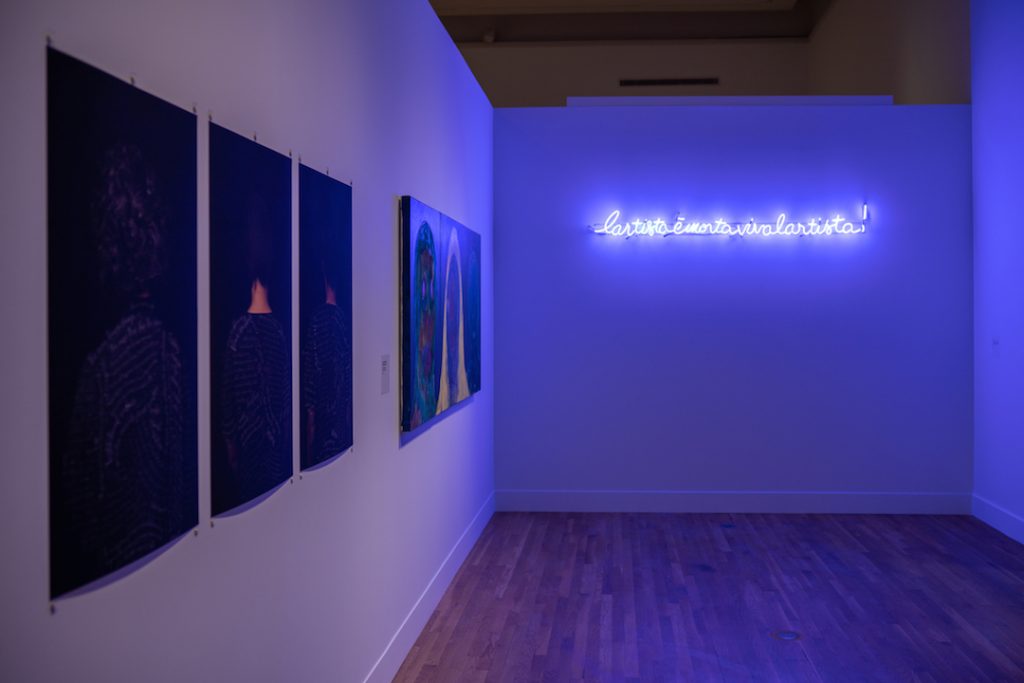
lartistaèmortavivalartista!
Blinking purple neon, 200x13x10øcm